Chamylle: The Hand-Drawn Font That Brings Warmth to Digital Spaces
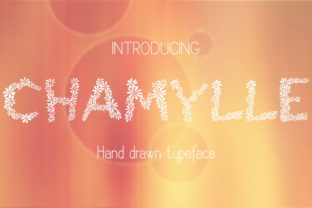
There is something about a handwritten note that a typed document just cannot replicate. That curve of a letter that feels personal, the slight wobble in a stroke that tells you a human hand made it. Chamylle captures that feeling in a digital font. It is a hand-drawn decorative typeface that looks like it was written with a fine pen on quality paper, but it works anywhere you need text. For anyone tired of sterile, corporate-looking fonts, Chamylle offers a way to communicate with personality.
Chamylle is not trying to be invisible. It has character. Each letterform carries a handmade quality, with variations in stroke weight and subtle irregularities that make it feel alive. This makes it ideal for situations where you want to connect with people on a human level rather than a business-y one.
When a Standard Font Feels Wrong
Think about the last time you received a wedding invitation, a thank-you card, or a small business flyer. If it was set in Arial or Times New Roman, it probably felt a bit flat. That is where Chamylle steps in. It works beautifully for event materials that need warmth. Wedding invites, bridal shower programs, birthday party signage, and even funeral memorial cards benefit from a font that feels personal rather than mass-produced.
Event planners and coordinators often struggle to find typefaces that are both readable and emotionally appropriate. Chamylle strikes that balance. Its decorative nature does not sacrifice legibility, which is crucial when people need to read names, dates, and locations quickly. The font's organic flow guides the eye naturally, making details easy to absorb.
For save-the-dates or rehearsal dinner menus, using Chamylle for headings with a simple sans-serif for body text creates a lovely contrast. The hand-drawn quality signals care and attention, which is exactly what couples want to communicate on their big day.
Branding for Small Businesses and Creatives
Small business owners, especially in creative fields, face a constant challenge: how to look professional without looking generic. Chamylle helps solve that problem. A coffee shop using this font on its chalkboard-style menu board, a florist using it on tags and signage, or a bakery writing out daily specials in Chamylle all benefit from its approachable aesthetic.
What makes it particularly useful is how well it works across different materials. You can use it on printed items like business cards, packaging, and storefront signage, but it also translates beautifully to digital assets. Social media graphics, website headers, email newsletters, and digital lookbooks all carry that same handmade warmth when set in Chamylle.
One observation from designers who work with this font regularly: it pairs well with minimal layouts. Because Chamylle has so much personality, it does not need a lot of visual competition. A clean white background, a simple photo, and a few words in Chamylle often make a stronger impression than a cluttered design with multiple fonts competing for attention.
Etsy shop owners, independent artists, and makers frequently use Chamylle for product labels and branding materials. When you sell handmade goods, your font should echo that handmade quality. Using a stiff, mechanical typeface on a handcrafted soap or ceramic mug creates a disconnect. Chamylle bridges that gap.
Digital Content That Feels Human
Content creators, bloggers, and social media managers know that engagement often comes down to authenticity. A polished, overly designed post can feel distant. Chamylle helps content feel more approachable. Instagram story titles, Pinterest pins, YouTube thumbnail text, and blog post headings all benefit from a font that looks like you took the time to write it yourself.
For bloggers in lifestyle, home decor, DIY, or parenting niches, Chamylle works well for pull quotes, section headings, and signature elements. It gives readers a visual break from dense body text and signals that something worth paying attention to is coming. The font's decorative nature makes it excellent for highlighting key takeaways without needing to yell with all-caps or excessive boldness.
Newsletter writers also find Chamylle useful for a similar reason. When you open an email and see a friendly handwritten-style heading, it feels less like marketing and more like a note from a friend. That subtle shift in tone can make a real difference in open rates and reader retention.
Printed Materials That People Keep
Some printed materials are designed to be read once and thrown away. Others are meant to be kept, displayed, or shared. Hand-drawn fonts like Chamylle are particularly effective in the second category. Think about things like:
- Quote prints and wall art
- Journals and planners
- Greeting cards and stationery
- Gift tags and favor labels
- Certificates and awards
- Menus for special events
These are items where the visual presentation matters as much as the words themselves. A quote print in Chamylle feels more personal than one set in a standard display font. A journal cover with Chamylle lettering invites the owner to fill it with their own handwriting. There is a synergy there that enhances the overall experience.
Teachers and educators also appreciate Chamylle for classroom materials. Bulletin board headings, classroom labels, and even personalized name tags for students benefit from a friendly, approachable typeface. It sets a warm tone that helps students feel welcome.
What to Consider Before Using Chamylle
No font works for every situation, and Chamylle has its strengths and limitations worth understanding. The decorative nature that makes it so charming also means it works best at larger sizes. For body text or small print, it can become harder to read. Most designers find it most effective for headlines, subheadings, short quotes, and display purposes rather than long paragraphs.
Chamylle also pairs best with simpler fonts. Combining it with another highly decorative typeface can create visual chaos. A clean sans-serif like Montserrat, Lato, or Open Sans works well as a companion. The contrast between the organic hand-drawn quality of Chamylle and the clean geometry of a simple sans-serif creates a professional, balanced look.
Another practical consideration: like all decorative fonts, Chamylle should be used intentionally. A little goes a long way. Using it for an entire document or website can feel overwhelming. Instead, reserve it for key moments where you want to make an impact. A single word in Chamylle can carry more weight than a full sentence in a neutral font.
File format and licensing are also worth checking. Depending on where you purchase or download Chamylle, the licensing terms may vary. If you plan to use it for commercial projects, make sure you have the appropriate license. Most reputable font marketplaces clearly outline what is covered, so read the fine print before committing.
Who Benefits Most from Chamylle
Different users get different things from this font. A wedding planner might use it to create cohesive branding for multiple couples throughout the season, building a reputation for thoughtful design. A small business owner might use it to differentiate their products on a crowded Etsy marketplace. A content creator might use it to build a recognizable visual style across their platforms.
Graphic designers and illustrators often use Chamylle as a complement to their own hand-drawn work. It fills a gap when they need a handwritten style but either lack the time to create custom lettering or want a consistent look across multiple pieces. It becomes a reliable tool in their creative toolkit rather than a one-off solution.
Non-designers also find Chamylle useful because it elevates their projects without requiring advanced design skills. A small business owner who handles their own marketing can apply Chamylle to their materials and immediately see an improvement in visual quality. It does the heavy lifting of adding personality, so the user can focus on content.
The Emotional Side of Choosing a Font
People often underestimate how much fonts affect perception. A font like Chamylle does more than convey words, it conveys feeling. It says that someone cared enough to make things look good. It suggests approachability, warmth, and attention to detail. In a world where so much communication feels automated and impersonal, that matters.
When you choose Chamylle for a project, you are choosing to prioritize the human element. That might mean a bride feels connected to her invitations before she even opens them. It might mean a customer trusts a brand more because the packaging feels personal. It might mean a reader lingers on a blog post because the headings drew them in.
These are not small things. The emotional response people have to design influences decisions every day. Fonts play a larger role in that response than most people realize. Chamylle gives you a way to tap into that response intentionally.
Getting Started with Chamylle
If you are considering Chamylle for a project, start by testing it in context. Download the trial version if available, or use it in mockups to see how it interacts with your other design elements. Try it at different sizes, on different backgrounds, and alongside your companion fonts. Pay attention to how it feels, not just how it looks.
Consider the medium you are designing for. Chamylle works well in both print and digital, but the rendering can vary. On screen, make sure the font size is large enough to preserve the hand-drawn details. In print, check how it reproduces at your intended scale. A quick test print can save you from surprises later.
Think about the emotional tone you want to set. Chamylle leans warm, friendly, and personal. If that matches your project's goals, you are on the right track. If you are aiming for something more formal, modern, or industrial, this probably is not the right choice.
The best uses of Chamylle come from seeing it as a tool for connection rather than decoration. When the font serves the message rather than competing with it, the result feels natural. That is the sweet spot where design becomes communication, and communication becomes meaningful.