Fuzzball: A Font That Brings Warmth and Texture to Digital Design
Typography choices often fall into neat categories: sleek and modern, classic and authoritative, or playful and decorative. But every so often, a typeface arrives that resists easy classification and invites a different kind of connection. Fuzzball is one such font. Designed to evoke the tactile comfort of soft fur, woolly yarn, and the general coziness of fuzzy things, this typeface offers designers, content creators, and business owners a way to inject warmth and personality into their projects without sacrificing readability. Whether you are working on branding for a pet-related business, designing social media graphics for a lifestyle blog, or crafting invitations for a family-oriented event, Fuzzball provides a distinctive visual voice that feels approachable and human.
What Fuzzball Is and Why It Deserves Attention
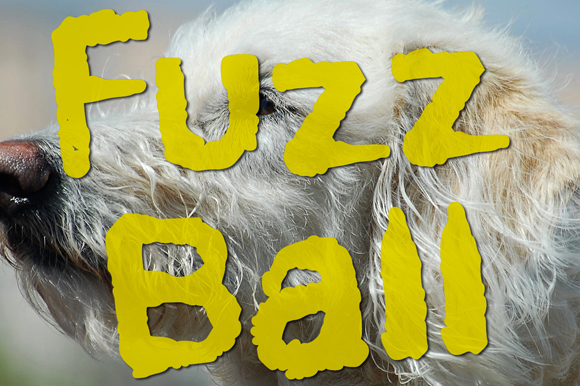
Fuzzball is a decorative display typeface that mimics the appearance of soft, fluffy textures. Unlike standard geometric fonts that prioritize crisp lines and uniform stroke widths, Fuzzball deliberately embraces irregular edges, rounded forms, and a slightly uneven visual rhythm that suggests handcrafted warmth. The letters appear almost as if they were drawn with a soft marker on textured paper, then given a gentle blur or fringe that recalls the edges of brushed cotton or a well-loved stuffed animal.
What makes Fuzzball worth discussing is its ability to communicate a specific emotional tone that many professional fonts simply cannot deliver. In a digital landscape increasingly dominated by clean sans-serifs and minimalist aesthetics, there is genuine value in a typeface that signals softness, comfort, and approachability. For brands and creators whose identity depends on empathy, care, or playfulness, Fuzzball fills a niche that conventional typography often leaves underserved. It is not a font for every job, but for the right job, it performs with memorable effectiveness.
Key Characteristics and Design Details
Examining Fuzzball closely reveals several deliberate design choices that contribute to its distinct personality. The letterforms are generally rounded with softened terminals, and the overall stroke weight tends toward the heavier side, which enhances legibility when used at display sizes. The fuzzy edges are not artificially aggressive; they feel organic, as if the font were rendered in a material that naturally frays or fluffs at the boundaries. This subtle texture avoids looking like a cheap digital filter and instead reads as an intentional stylistic decision.
Another notable characteristic is the consistency of the fuzzy treatment across the character set. Uppercase and lowercase letters maintain the same visual weight, and punctuation marks, numbers, and common symbols receive the same treatment. This consistency matters for professional use, because a decorative font that breaks character when you type an exclamation point or an ampersand can undermine the overall effect. Fuzzball holds together as a cohesive system, which gives designers confidence when building layouts that rely on multiple typographic elements.
The spacing between characters is generous without being loose. Letters do not collide or overlap in ways that compromise readability, even at smaller sizes where decorative details might normally become muddled. This attention to spacing suggests that the typeface was designed with real-world use in mind, not merely as an artistic experiment. For professionals evaluating whether a display font is practical, spacing and kerning behavior are often the deciding factors, and Fuzzball performs well in this regard.
Strengths and Practical Value in Real-World Use
The most obvious strength of Fuzzball is its emotional resonance. When used in headlines, logos, or featured callouts, the font immediately communicates a sense of softness and comfort. For a pet grooming service, a children's book cover, a boutique yarn shop, or a mental wellness blog, this typeface can reinforce brand identity more effectively than any stock sans-serif ever could. The font does not need additional embellishment; it carries its own atmosphere.
From a usability perspective, Fuzzball is straightforward to implement. It is available in standard digital formats including OTF and TTF, and it installs like any other font across major operating systems. Designers working in Adobe Creative Suite, Canva, Figma, or web platforms that support custom typography will find integration smooth. The font renders well on both screen and print, though as with any display typeface, output quality depends on resolution and medium. On high-resolution screens, the fuzzy details appear intentional and pleasing; on low-resolution displays, some of the finer textural nuance may be lost, but the core character remains readable.
Another practical advantage is the font's versatility within its niche. Fuzzball works equally well in single-word logos, short phrases, and multi-word headlines. It pairs naturally with simpler typefaces for body text, such as a neutral sans-serif like Open Sans or a clean serif like Lora. When used as a heading font with a restrained body font, the contrast creates visual hierarchy without jarring the viewer. This pairing flexibility means that Fuzzball can anchor an entire brand identity without requiring the designer to invent additional decorative elements to match its personality.
Quality, Reliability, and Long-Term Value
When assessing the quality of any typeface, three factors matter most: design integrity, technical execution, and versatility over time. Fuzzball scores well on all three. The design integrity is evident in the careful balance between playful texture and readable form. The edges could easily have been overdone, turning the font into a novelty item with limited utility, but the designer exercised restraint. The fuzzy effect enhances rather than overwhelms the letter shapes.
Technically, the font includes a reasonable character set with standard punctuation, numerals, and basic diacritics. It does not claim to support every language or typographic variant, but for English-language projects and many Western European languages, coverage is sufficient. File sizes are modest, and rendering performance across applications is reliable. There are no hidden spacing issues or unexpected glyph behavior that might disrupt a layout.
As for long-term value, Fuzzball is not a passing trend. Its appeal rests on a fundamental human response to softness and warmth, which is not subject to seasonal design cycles. A brand that uses Fuzzball thoughtfully will not look dated in three years the way a typeface tied to a specific design trend might. The font's utility is also preserved by its focused use case; it is a specialty tool that remains effective as long as the brand's identity continues to value approachability and tactile comfort.
Who Benefits Most from Using Fuzzball
Fuzzball is not a general-purpose font, but for specific audiences and projects, it offers exceptional alignment. Pet-related businesses top the list: dog groomers, cat cafes, pet supply stores, animal adoption agencies, and veterinary clinics with a gentle brand persona can all use Fuzzball to reinforce a caring, fuzzy identity. Similarly, children's content creators, including authors, illustrators, and educational app developers, will find the typeface naturally appealing to young audiences and the adults who choose content for them.
Craft and hobbyist brands also benefit. Yarn shops, knitting pattern designers, felt craft sellers, and makers of plush toys or handmade blankets share an aesthetic language that Fuzzball speaks fluently. Lifestyle bloggers in the home, family, or wellness niches can use the font to soften their visual identity and make readers feel welcomed rather than sold to. For small business owners who run their own marketing, Fuzzball provides an accessible way to elevate branding without hiring a professional designer, provided they pair it with clean supporting elements.
Marketers and creators working on seasonal campaigns, especially around winter holidays, Valentine's Day, or any theme involving comfort and togetherness, will find Fuzzball a timely asset. It works well on physical materials like greeting cards, gift tags, and wrapping paper, as well as in digital spaces like Instagram stories, email headers, and landing page hero sections.
Limitations and Realistic Considerations
No typeface is without limitations, and Fuzzball is best understood as a specialized tool rather than a universal solution. Its decorative nature means it is unsuitable for body text. Long paragraphs set in Fuzzball would be difficult to read and would likely fatigue the eye quickly. Professional users must reserve it for headlines, logos, short callouts, and accent text. Attempting to use it for extended reading material would undermine both readability and brand credibility.
Another limitation is its performance in very small sizes. Below 18 points, the fuzzy edges begin to lose definition, and the letterforms can appear muddy rather than charming. Designers should test Fuzzball at their intended output size before committing to a layout. For print projects, this is especially important, as ink spread can amplify the blurry effect. On screen, anti-aliasing interacts with the fuzzy edges in ways that vary by browser and operating system, so preview testing is recommended.
Additionally, the emotional tone of Fuzzball may not suit every brand voice. Businesses that need to convey precision, authority, luxury, or technical expertise will find the font misaligned with their goals. A law firm, financial advisory service, or cybersecurity company would likely do better with a neutral or traditional typeface. Fuzzball knows its lane, and professionals should respect those boundaries.
Practical Recommendations for Getting Started
If you are considering Fuzzball for a project, start by testing it in context. Download the trial version if available and set it in your actual layout alongside planned body fonts and imagery. Pay attention to how it reads at the sizes you intend to use most frequently. Pair it with a simple, neutral body font to avoid visual competition. A rule of thumb: let Fuzzball be the personality element, and let everything else be the supporting cast.
For logo design, try setting the brand name in Fuzzball and evaluate whether the fuzzy texture complements the brand's existing visual assets. If the brand already uses soft colors, rounded shapes, or organic imagery, Fuzzball will integrate naturally. If the brand is transitioning toward a warmer identity, the font can serve as a visual cornerstone for that shift.
When using Fuzzball in digital marketing materials, maintain adequate contrast between the font color and the background. Pale text on a white background may reduce the fuzzy effect and lower readability. Darker or more saturated colors tend to showcase the texture best. Also avoid placing Fuzzball text on busy or patterned backgrounds, as the visual noise can compete with the font's subtle detail.
Final Observations on Fuzzball's Place in a Typographic Tool Kit
Fuzzball occupies a specific and valuable space in the typographic landscape. It is not trying to be the next Helvetica or a workhorse for corporate reports. Instead, it offers something rarer: a genuine emotional signal that connects with audiences on a tactile, almost nostalgic level. For professionals who understand the power of visual tone and who work with brands that benefit from warmth and softness, Fuzzball is a worthwhile addition to the font library. It is well-made, consistent, and thoughtfully designed for its intended use. Approach it with realistic expectations, apply it with intentional restraint, and it will serve your projects with memorable warmth.