Druchilla: A Handwritten Font for Personal Projects
When selecting a typeface for a project that needs a distinctly personal feel, a handwritten font can offer a level of authenticity that standard digital fonts often lack. Among the many options available, Druchilla has attracted attention for its extensive set of handmade glyphs and organic character. Created by the designer madeDeduk, Druchilla is a handwritten font that includes over 400 unique glyphs, each crafted by hand rather than generated algorithmically. This article provides an objective evaluation of Druchilla, exploring its potential benefits, tradeoffs, and practical considerations for anyone deciding whether to incorporate it into their work.
What Is Druchilla?
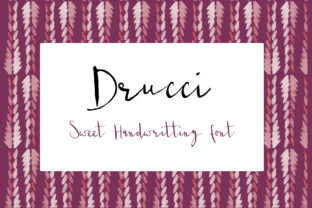
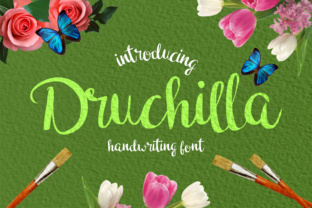
Druchilla is a display-style handwritten font that aims to replicate the look of natural, hand-drawn lettering. Instead of offering a standard set of characters with slight variations, Druchilla includes a large library of alternate glyphs—more than 400 in total. This means that for many letters, the font provides multiple stylistic options, allowing users to avoid the repetitive appearance that can occur with simpler handwritten fonts. The glyphs are designed to feel organic, with slight irregularities in stroke weight, baseline, and spacing that mimic real handwriting. The font is intended for creative projects where a personal, artisanal touch is important, such as branding, invitations, social media graphics, and packaging.
Why Consider Druchilla?
Several aspects of Druchilla make it an inviting option for designers and non-designers alike. The large number of handmade glyphs stands out as a primary strength. Many handwritten fonts offer only one version of each letter, which can quickly look artificial when repeated in the same word or paragraph. Druchilla’s glyph variety helps maintain the illusion of natural handwriting, especially when using OpenType features that cycle through alternates automatically.
Another reason for interest is its visual style. Druchilla has a slightly rough, expressive quality that conveys warmth and creativity. This makes it suitable for projects where you want to communicate approachability, individuality, or handcrafted care. The font also supports a range of characters, including ligatures, swashes, and stylistic sets, giving users additional flexibility to customize their text.
For those who value the authenticity of hand-drawn design, the fact that each glyph was physically drawn by a human designer (madeDeduk) adds a layer of artistic integrity that purely digital fonts may lack. This can be a deciding factor when the goal is to evoke a sense of personal connection in the audience.
Benefits and Tradeoffs: What to Expect
Like any design tool, Druchilla comes with both advantages and limitations. Understanding these will help you decide if it aligns with your project’s requirements.
Benefits
- Visual Diversity: With over 400 glyphs, Druchilla reduces the monotony often seen in handwritten fonts. Multiple alternates for common letters allow for more natural-looking text.
- Customizability: The inclusion of stylistic sets, ligatures, and swashes means you can adjust the font’s appearance to suit specific words or layouts, adding a bespoke feel.
- Handcrafted Aesthetic: The imperfections in the glyphs—varying stroke thickness, uneven baseline, slight wobbles—contribute to an organic, human quality that is difficult to achieve with more uniform handwritten typefaces.
- Versatility in Creative Contexts: Druchilla works well in titles, short quotes, logos, and decorative elements where a personal or whimsical tone is desired.
Tradeoffs and Considerations
- Readability at Small Sizes: Because Druchilla is designed as a display font with irregular shapes, it can become hard to read when used at small point sizes or in dense paragraphs. It is best reserved for headings and shorter text blocks.
- Not Suitable for All Audiences: The casual, playful nature of the font may not be appropriate for formal, corporate, or technical contexts. If you need to convey authority, precision, or professionalism, a more neutral typeface would be a better choice.
- File Size and Performance: The large number of glyphs and OpenType features can result in a larger font file. This is rarely a problem for print work, but for web use, it may slow page load times slightly. Consider using font subsetting if you only need a subset of characters.
- Licensing and Usage Rights: As with any commercial font, it is important to check the license agreement for Druchilla. Some handwritten fonts have restrictions on commercial use, number of users, or embedding in digital products. Verify that the license covers your intended use case.
- Learning Curve for Full Utilization: To get the most out of Druchilla’s glyph variety, you need software that supports OpenType features (such as Adobe InDesign, Illustrator, or Affinity Publisher). Casual users working in basic word processors may not be able to access alternates or ligatures easily.
When Druchilla Is a Strong Fit
Given its characteristics, Druchilla excels in several specific scenarios:
- Invitations and Event Branding: Weddings, parties, and other personal celebrations often benefit from a font that feels handwritten and warm. Druchilla can add a bespoke invitation look without requiring actual calligraphy.
- Social Media Graphics: Instagram quotes, Pinterest pins, and Facebook covers can use Druchilla’s expressive style to create engaging, eye-catching text that stands out from generic sans-serifs.
- Small Business Branding: Boutiques, bakeries, artisan shops, or personal brand identities can use Druchilla to convey a handmade, approachable ethos. It pairs well with clean serif or sans-serif fonts for contrast.
- Packaging and Labels: Product packaging for items like homemade soaps, jams, or stationery can benefit from the authentic hand-drawn feel. The font’s variations help avoid a mass-produced appearance.
- Short Headlines and Logos: For a logo or a single word or phrase, Druchilla’s character can create a memorable visual anchor.
When Alternatives May Be Worth Considering
No font is perfect for every situation, and Druchilla has its limitations. Here are scenarios where exploring other options might be more practical:
- Long-Form Body Text: If you need to set paragraphs of text, especially at small sizes, Druchilla’s irregular letterforms can cause eye strain and reduce reading speed. A more legible handwritten font like Dawning of a New Day or a printed script such as Alex Brush may be more suitable.
- Professional or Legal Documents: Resumes, reports, contracts, or academic papers require clarity and formality. Druchilla’s casual character would undermine the seriousness of such documents.
- Websites with Heavy Content: For web text that must be read quickly, especially on mobile devices, a clearer font that works at multiple sizes is preferable. Druchilla is best used sparingly in headings on the web.
- Technical or Industrial Themes: If your brand or project revolves around technology, engineering, or minimalist modern design, a handwritten font like Druchilla may clash with the intended aesthetic. A geometric sans-serif or monospaced font could be more appropriate.
- Multilingual or Extended Character Support: While Druchilla includes many glyphs, it may not cover every language’s diacritics or special characters. If you need extensive language support, verify the character set first or look for fonts with broader coverage.
Practical Decision-Making Insights
To determine whether Druchilla aligns with your goals, consider the following questions:
- What is the primary purpose of the text? If it is to convey information clearly and quickly, Druchilla may not be the best choice. If it is to evoke emotion, personality, or a sense of handcraft, Druchilla can add significant value.
- Who is the audience? A younger, creative audience may respond better to an informal handwritten style than a corporate boardroom. Know your audience’s expectations.
- Where will the font appear? Print materials can make the most of Druchilla’s fine details. Screen use at small sizes may lose some of the nuance. Test the font at your intended size and medium before committing.
- Can you access the OpenType features? If your workflow does not support alternate glyphs, you will only see a limited version of the font. Ensure your software can take advantage of the full glyph set to avoid disappointment.
- Does the license match your usage? Check the EULA for Druchilla to confirm that it allows commercial use, number of users, and embedding if needed. Some handmade fonts have restrictive licenses.
It can also be helpful to compare Druchilla with other handwritten fonts in the same price range. Look at whether they offer similar glyph variety, the quality of the letterforms, and community reviews. A trial or demo version, if available, can give you hands-on experience with how the font behaves in your projects.
Making Your Decision
Druchilla is a specialized tool rather than a general-purpose font. Its strength lies in projects that benefit from a personal, hand-drawn feel and where readability is secondary to emotional impact. If that describes your work, Druchilla can be a valuable addition to your type library. However, if your project requires clarity, versatility, or formality, exploring other options is advisable.
Ultimately, the best font is the one that serves your content and audience effectively. By evaluating Druchilla’s unique features alongside its limitations, you can make an informed choice that contributes to the success of your design. Whether you choose to use Druchilla or not, understanding its capabilities will help you better articulate why certain typefaces are selected for different purposes.