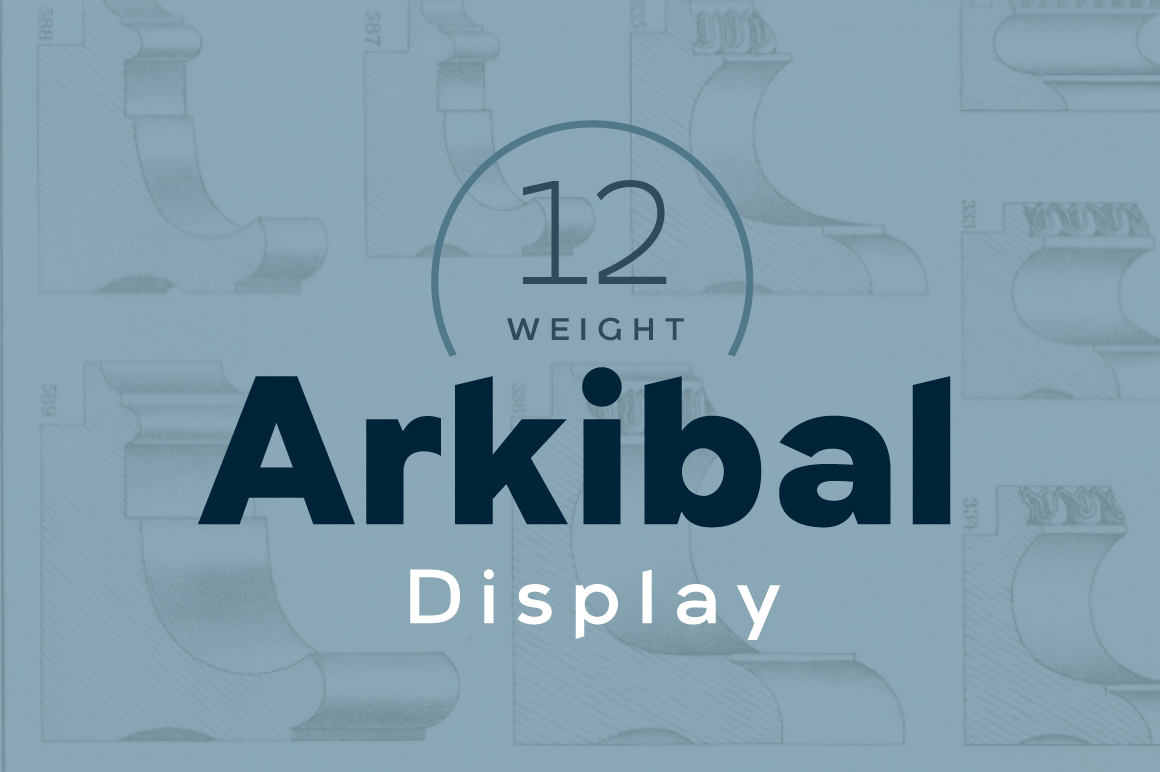
Arkibal Display: A Typeface Rooted in Heritage and Character
When you come across a typeface that immediately feels both familiar and unexpected, you know someone put real thought into the details. Arkibal Display is exactly that kind of font. It balances structure with personality, drawing inspiration from old documents and store signs found in a gold frame factory dating back to 1838. The result is a display face that stands out not because it shouts, but because it invites you to look closer.
What Makes Arkibal Display Different
At first glance, Arkibal Display might seem like a straightforward serif or semi-serif design, but the magic is in the construction. The lowercase letters l, b, d, p, q, and t sit on a slight angle, giving the whole font a subtle but purposeful rhythm. The letter a acts as the visual anchor around which everything else revolves. This deliberate asymmetry creates a dynamic that feels grounded yet alive.
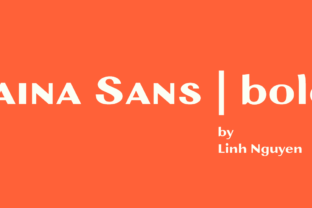
The font family includes two versions — Arkibal Sans and Arkibal Display — each with a different selection of letters. That variation is by design. The idea was never to create one perfect shape for every letter, but to offer two complementary systems that could work together or stand alone depending on the project. For anyone who works with type regularly, this kind of flexibility is a gift.
Where the Inspiration Comes From
Arkibal Display didn't start in a design studio as a theoretical exercise. It started in a real place: a gold frame factory run by the designer's great-grandfather in 1838. That factory supplied frames to many artists of the time and to several museums in Copenhagen. The old documents and store signs from that era became the raw material for the typeface.
The uppercase G was the very first letter drawn. In Danish, G stands for Guldramme, meaning gold frame. It became the starting point for the entire display version. You can feel that origin in the letterforms — they carry a sense of craftsmanship and care that digital-only fonts sometimes lack.
The name itself, Arkibal, comes from an almost old Danish traditional name, Arkibald — only without the d. It roots the font in a specific cultural and historical context, which may or may not matter to you depending on how you plan to use it. For some, that backstory adds meaning. For others, the visual results are what count.
Designers and Creatives Looking for Character
If you are a graphic designer or a creative professional, you have probably worked with dozens of display faces that look good but feel neutral. Arkibal Display is not neutral. The angled lowercase letters give it a handcrafted feel that works well for headlines, posters, book covers, and branding materials where you want the text to carry emotion. Pair it with Arkibal Sans for body copy, and you have a complete system that keeps visual tension without breaking harmony.
For logo work or wordmarks, the slight tilt in the lowercase letters adds movement. A word like butik or quality placed in Arkibal Display will never feel static. That can be exactly what you need when you want a brand to feel approachable but not casual.
Small Business Owners and Entrepreneurs
If you run a small business, every piece of communication counts. Your website, your signage, your packaging — they all send signals about who you are. A typeface like Arkibal Display can help you stand out without relying on loud colors or busy layouts. Its historical roots make it especially suitable for bakeries, cafes, artisan shops, or any business that wants to evoke tradition, care, and quality.
You do not need to be a type expert to use it well. The font's structure is solid enough that even simple layouts — a product name on a kraft label, a headline on a website hero section — will feel intentional. If you sell handmade goods or artisanal products, the visual link to an old gold frame factory might resonate with your audience on a level that mass-produced fonts cannot.
Educators, Hobbyists, and Beginners
If you are new to typography, Arkibal Display is a great font to study. Because the letterforms are not all uniform in angle or proportion, you can learn a lot about how small changes in shape affect readability and mood. Try setting the same word in a standard sans serif and then in Arkibal Display. The difference is immediately visible, and that is a powerful lesson in why typeface choices matter.
For hobbyists working on personal projects — a family history booklet, a blog header, a handmade zine — Arkibal Display adds a layer of personality without requiring advanced design skills. The font does the heavy lifting. You just choose the words and let the letters do their work.
What to Consider Before Committing to Arkibal Display
Not every project needs a display font with angled lowercase letters. If your goal is maximum readability in long body text, a more straightforward typeface might serve you better. Arkibal Display shines at larger sizes where the angular details can be seen and appreciated. At very small sizes, some of that subtle tilt may feel less intentional and more like a quirk.
That said, the versatility of having both a display version and a sans version in the same family gives you room to experiment. You could use Arkibal Display for your main heading, Arkibal Sans for subheadings, and a neutral serif or sans for body copy. The key is to let each version do what it does best.
Cost is another factor. Display fonts with this level of historical research and custom detail often come at a premium. If you are a student or a hobbyist on a tight budget, consider whether one or two weights of the display version will cover your needs before buying the full family. For professionals and businesses, the investment pays off quickly when the font becomes a recognizable part of your visual identity.
Practical Examples for Different Project Types
- Branding for a heritage-focused business: Use Arkibal Display in the logo and on packaging to evoke craftsmanship and tradition. Pair with Arkibal Sans for labels and menus.
- Poster or event flyer: Set the event name and date in Arkibal Display at a large size. The angled letters will catch attention from across the room.
- Book cover or editorial layout: Use Arkibal Display for the title and chapter openers. The historical feel complements fiction, memoir, or art books.
- Website hero section: A single word or short phrase in Arkibal Display makes an immediate visual impact without needing imagery.
- Learning exercise: Compare Arkibal Display to a geometric sans. Note how the a centers the weight and how the tilted letters create a diagonal reading flow.
Thinking About Long-Term Use
Typefaces that rely on strong personality can sometimes feel dated after a few years. Arkibal Display avoids that trap because its personality comes from structure, not trend. The reference to old store signs and gold frame documents gives it a timeless quality that feels rooted rather than retro. If you choose it for a brand or a publication, you are unlikely to wake up in two years feeling like the font is out of style.
The structural approach — with the a as the center and the selected letters angled — means the font has internal logic. That logic makes it easier to pair with other typefaces and to use across different media. It also makes the font more enjoyable to work with over time. You start to notice new details the more you use it.
Who Should Look Elsewhere
Arkibal Display is not for everyone, and that is fine. If your projects demand extreme minimalism or strictly geometric forms, this font will feel like too much. If you need a typeface that disappears into the background and lets content speak without visual interference, a neutral sans or classic serif will serve you better.
Similarly, if you work primarily in very small text sizes — footnotes, captions, dense paragraphs — Arkibal Display is not the right tool for that job. Save it for moments that matter: headlines, titles, short phrases, hero words.
Deciding Whether Arkibal Display Fits Your Goals
Ask yourself a few questions before you commit. Does your project need warmth, character, and a sense of history? Will the text be displayed at a size where angled details can be appreciated? Do you want a typeface that starts conversations rather than blending in? If you answered yes to any of those, Arkibal Display deserves a close look.
If you are still unsure, try a short test. Set a few words that matter to your project in Arkibal Display. Put them next to options you are also considering. See which one makes you want to keep reading. Sometimes the right font is the one that makes you pause, not the one that disappears.