American Script Brings a Handcrafted Feel to Everyday Design Work
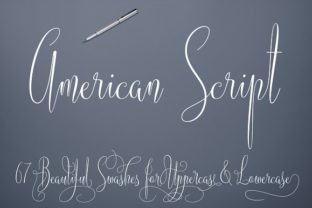
There is something about handwritten typography that feels personal in a way standard fonts rarely do. When you see a polished script font, it often triggers a sense of authenticity, as if someone actually sat down with a pen and composed the words themselves. That is the effect Darwinoo captured when creating American Script, a font designed to bring warmth, movement, and a distinctly American character into digital and print projects.
American Script is not just another cursive typeface. It carries a rhythm that mimics natural handwriting, with flowing strokes and varying letter connections that make it feel alive rather than mechanically perfect. For anyone working on branding, invitations, content creation, or product packaging, this font offers a way to inject personality without sacrificing readability. But understanding where and how to use it matters more than simply downloading it because it looks nice.
Where American Script Fits Into Real Projects
The most successful uses of American Script happen when the font matches the tone of the message. A wedding invitation, for example, benefits from a script that feels elegant but not overly formal. American Script strikes that balance. Its letterforms have a relaxed flow, making it suitable for events where you want to communicate warmth rather than rigid tradition. Couples planning their wedding stationery often look for a typeface that feels intimate without being difficult to read. American Script delivers that by keeping its characters distinct while maintaining a natural handwritten rhythm.
Small business owners running boutique shops, cafes, or creative studios also find value in this font. When you are designing a logo or a menu board, you want something that sets you apart from the polished, corporate look of sans-serif fonts. American Script gives those brands a handmade aesthetic that suggests care and attention to detail. A coffee shop using it on its signage or packaging communicates that the business values craftsmanship. A florist using it on labels and tags signals a personal touch. These subtle cues matter more than people realize when they are deciding where to spend their money.
Digital Content Creators and Social Media Graphics
For bloggers, influencers, and educators who create content regularly, standing out in a crowded feed is a constant challenge. Using American Script in social media graphics, headers, or quote cards can help break the visual monotony of standard fonts. It works especially well for short, impactful phrases where you want the typography itself to carry emotional weight. A motivational quote displayed in American Script feels more human than the same words set in Helvetica. That difference matters when you are trying to connect with an audience that scrolls past dozens of posts every minute.
Freelancers designing mood boards, portfolio headers, or client presentations also benefit from a script font that feels grounded. American Script avoids the overly decorative flourishes that make some script fonts hard to use in professional settings. Instead, it offers a clean but expressive look that works in both digital and printed materials. A graphic designer presenting a brand concept to a client might use American Script in the logo mockup to show how a handwritten style could work for the brand identity. It gives the client something tangible to react to, rather than just abstract explanations of what the font could do.
Practical Use Cases Across Different Settings
When people download American Script, they often have a specific project in mind, but the font proves useful in more contexts than they initially expect. Here are several realistic scenarios where it fits naturally:
- Product packaging and labels – Small businesses selling handmade goods, candles, skincare products, or artisanal foods can use American Script on their labels to reinforce the handmade nature of their products. It communicates that the item was crafted with care, not mass-produced.
- Educational materials and worksheets – Educators creating printable resources for students sometimes want a font that feels friendly and approachable. American Script works well for headings on worksheets, classroom posters, or digital lesson slides where you want to reduce the formal feel of traditional educational typography.
- E-book covers and interior formatting – Self-published authors often struggle to find fonts that look professional without costing a lot. American Script can be used on book covers, chapter titles, or decorative elements inside the book. It gives the layout a bespoke feel that readers associate with quality.
- Event signage and place cards – For weddings, parties, or corporate events, printed materials need to feel special. American Script on place cards, table numbers, or directional signs adds a layer of polish that guests notice, even if they do not consciously identify the font.
- Personal stationery and correspondence – Individuals who enjoy sending handwritten notes or maintaining a personal blog can use American Script for digital letterheads, note cards, or website headers. It makes the communication feel more intentional.
Each of these scenarios shares a common thread: the font is used to create a sense of human involvement. American Script does not try to hide its handmade quality. That is precisely what makes it valuable in a world where so much design feels automated and impersonal.
What to Consider Before Using American Script
Jumping into a new font without thinking about context can lead to disappointing results. American Script works beautifully when used deliberately, but there are a few things to keep in mind before applying it to your next project.
Readability in smaller sizes. Script fonts, by nature, can become difficult to read when scaled down. American Script handles this better than many alternatives, but it still works best at medium to large sizes. For body text or small captions, consider pairing it with a simple sans-serif or serif font. This not only improves legibility but also creates visual contrast that makes the script portion stand out more.
Context and audience expectations. A script font that feels warm and personal for a wedding invitation might feel out of place on a legal document or a corporate report. Understanding your audience helps you decide whether American Script supports or undermines your message. For creative industries, events, and personal projects, it is usually a strong choice. For conservative or highly formal contexts, use it sparingly or not at all.
Licensing and usage rights. Before downloading American Script, check the licensing terms. If you are using it for commercial projects like product packaging, logos, or client work, make sure the license covers those uses. Darwinoo provides clear guidelines, and respecting them protects both you and the creator. This is something freelancers and small business owners should prioritize to avoid legal headaches later.
Pairing with other fonts. American Script works best when it has room to breathe. Pair it with clean, neutral fonts that do not compete for attention. A simple sans-serif like Open Sans or a classic serif like Georgia can ground the script and keep your design balanced. Avoid pairing it with another decorative or script font, as that often creates visual clutter.
How Different Users Get the Most Out of American Script
Marketers putting together email campaigns or landing pages can use American Script in headers or callout sections to break up dense blocks of text. It draws the eye and adds a moment of visual relief. But keep the body text in a standard font to maintain readability. This approach works because the script font gets attention without overwhelming the reader.
Hobbyists working on personal projects like scrapbooks, photo albums, or custom gifts will appreciate how American Script elevates simple layouts. A few words set in this font can turn an ordinary page into something that looks carefully designed. For people who enjoy creating physical or digital keepsakes, having a quality script font in their toolbox makes a real difference in the final result.
Publishers and content managers producing magazines, newsletters, or blogs can use American Script for pull quotes, section dividers, or author bylines. It adds character without disrupting the overall design system. The key is to use it consistently in specific roles so that readers begin to associate that visual style with certain types of content, such as personal stories or opinion pieces.
Connecting Font Features to Real Outcomes
Rather than listing technical specifications, it helps to think about what American Script actually does in practice. Its flowing letterforms reduce the stiffness that often makes digital typography feel cold. The varying stroke weights give it texture, so words appear to have been written with a flexible nib rather than a computer algorithm. The slant is natural, not exaggerated, which keeps the font readable even when used for longer phrases.
These details matter because they affect how people perceive your work. A logo set in American Script feels approachable. A wedding invitation using it feels intimate. A product label featuring it feels authentic. Those outcomes are not accidental. They come from a font design that prioritizes human expression over mechanical consistency.
When Darwinoo created American Script, the goal was clearly to offer a tool that helps people communicate in a more personal way. Whether you are a small business owner trying to build a brand that feels local and caring, a freelancer looking for a font that adds warmth to your portfolio, or someone planning a special event who wants every detail to feel meaningful, American Script gives you a way to put that intention into your design.
The best approach is to try it in a few different contexts and see where it feels most natural. Use it on a short phrase first, pair it with a neutral companion font, and adjust the size until the balance feels right. Once you find that sweet spot, American Script becomes one of those fonts you reach for whenever the project needs a human touch.