Gerhana Handwritten Font: A Practical Guide to Its Style, Use Cases, and Tradeoffs
When you are selecting a typeface for a project, the sheer number of options can be overwhelming. Handwritten fonts alone range from casual scribbles to refined calligraphy, and each brings a different emotional weight. Gerhana, a handwritten font by Creative Drsign, occupies a particular space in this landscape. Understanding what it offers, where it shines, and where it might fall short can help you decide whether it fits your next design, branding effort, or content piece.
This article breaks down the characteristics of Gerhana, compares it with other handwritten and script-style fonts, and walks through realistic scenarios so you can make an informed choice without relying on marketing language or hype.
What Is Gerhana and What Makes It Distinct?
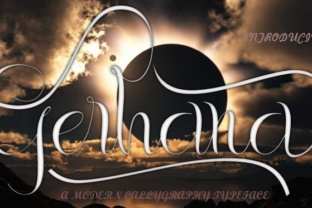
Gerhana is a handwritten font that blends a natural, flowing script with a slightly structured feel. It is not a rigid, formal calligraphy face, nor is it an ultra-casual, messy hand-lettering style. Instead, it sits in a middle ground that many designers find useful for projects requiring warmth without sacrificing readability.
Key visual traits of Gerhana include:
- Moderate contrast between thick and thin strokes. The letterforms have a hand-drawn quality, but the stroke weight variation is controlled enough to avoid looking erratic.
- Consistent baseline and x-height. Unlike some highly expressive handwritten fonts, Gerhana maintains a fairly even rhythm, which helps with readability in longer text passages.
- Connected letterforms with occasional breaks. The font simulates natural handwriting where most letters join, but some deliberate gaps give it an authentic, unpolished feel.
- Slightly condensed proportions. The letters are not overly wide, allowing the font to fit reasonably well in limited spaces like headings or banners.
Creative Drsign designed Gerhana to be approachable yet noticeable. It does not demand attention through extreme ornamentation; instead, it draws the eye through its natural flow and balanced spacing. This makes it distinct from both ornate script fonts that can feel outdated and from minimal sans-serif fonts that can feel cold.
Comparing Gerhana with Other Handwritten Font Categories
To evaluate Gerhana fairly, it helps to place it alongside the broader categories of handwritten fonts you might consider. Each category has strengths and weaknesses, and Gerhana overlaps with several of them.
Casual or Informal Handwritten Fonts
These fonts mimic everyday handwriting, often with irregular letter sizes, varying slants, and a rough texture. They are friendly and approachable but can become tiring to read in longer paragraphs. Gerhana differs because its letterforms are more consistent. You get the warmth of casual handwriting without the visual noise that sometimes makes informal fonts hard to use in professional contexts.
Formal Script or Calligraphy Fonts
Formal scripts are highly structured, with precise swashes, consistent slant angles, and elegant flourishes. They work well for wedding invitations, certificates, or luxury branding. Gerhana is less formal than these faces. It does not have elaborate swashes or strict calligraphic rules, which makes it more versatile for everyday use but less suited for occasions that demand a polished, traditional look.
Display or Decorative Handwritten Fonts
Some handwritten fonts are designed purely for display purposes, with exaggerated features, heavy textures, or unique letter shapes that work only in large sizes. Gerhana is more restrained. Its proportions and stroke variation allow it to function at medium sizes without losing legibility, though it is not intended for very small body text.
Modern Brush Script Fonts
Brush scripts have a painted look, with textured edges and high contrast. They are energetic and trendy, especially in social media graphics and product packaging. Gerhana does not have the same brush texture. Its smoother lines give it a cleaner, more neutral appearance, which can be an advantage if you want a handwritten feel without committing to a specific artistic tool aesthetic.
Strengths of Gerhana: Where It Performs Best
Every font has its sweet spot. Gerhana tends to work well in the following situations:
- Branding for small businesses or creative professionals. Because it is both warm and legible, Gerhana can be used in logos, business cards, and website headers without looking either too casual or too corporate.
- Social media graphics and quotes. Its natural flow pairs nicely with short, impactful text. The font adds a human touch without distracting from the message.
- Invitations and event materials. For events that are not strictly formal, such as birthday parties, baby showers, or casual weddings, Gerhana provides a handwritten feel that is still easy to read.
- Product packaging and labels. The font works on items where a personal, artisanal vibe is desired, such as handmade soaps, candles, or food products.
- Headers and subheadings in blog posts or websites. When paired with a simple sans-serif for body text, Gerhana can add visual interest to titles without overwhelming the page.
Its balanced readability also means it can be used for short paragraphs in printed materials, such as greeting cards or product inserts, where a typewriter or sans-serif font might feel too impersonal.
Tradeoffs and Limitations to Consider
No font is perfect for every context. Gerhana has limitations that are worth weighing before you commit to it for a project.
Legibility at Very Small Sizes
Like many handwritten fonts, Gerhana loses some clarity when scaled down below 12 points. The connected letterforms and moderate stroke contrast can cause letters to blend together or become hard to distinguish, especially on screens with low resolution. For body text in print or digital formats, you may need to pair it with a more legible typeface or use it only in larger sizes.
Limited Formal or Corporate Applications
If your project requires a conservative, authoritative, or highly professional tone, Gerhana may not be the best fit. Law firms, financial institutions, and formal corporate communications typically call for serif or sans-serif fonts that convey stability and tradition. Using a handwritten font in those contexts could be seen as too informal or frivolous.
Potential for Overuse in Similar Aesthetics
Because Gerhana has a neutral, pleasant handwritten style, it can sometimes blend into the crowd. In the current design landscape, many brands and creators use similar mid-weight script fonts. If your goal is to stand out dramatically, you might need a more distinctive or custom typeface.
Character Set and Language Support
As with many specialty fonts, Gerhana may have limited support for non-Latin scripts or special characters. If your project requires extensive multilingual content or specific diacritical marks, you should verify that the font covers your necessary character set before investing time in it.
When Gerhana Might Be the Right Choice
You should consider Gerhana if you are working on a project that needs a human, approachable feel but still requires decent readability. It is a strong candidate when:
- You are branding a lifestyle blog, boutique, or creative service.
- You need a font that works across digital and print without looking out of place.
- Your audience is likely to respond well to a friendly, personal aesthetic.
- You want a handwritten font that does not force you into a specific niche like vintage, rustic, or ultra-modern.
For example, imagine you are designing a website for a freelance graphic designer. Using Gerhana in the main heading, paired with a clean sans-serif for body text, can communicate creativity and approachability without sacrificing professionalism. The designer’s portfolio will feel more personal than if they used a default system font, but it will still be taken seriously by potential clients.
Another scenario: a small bakery wants labels for its products. A formal script might feel too fancy for everyday items like bread or cookies, while a basic sans-serif might feel too industrial. Gerhana offers a middle path. It looks hand-lettered, which suggests care and craft, but it remains legible enough for ingredient lists and pricing.
When Another Option May Serve You Better
There are also clear cases where Gerhana is less ideal. If your project demands any of the following, you might want to explore other typefaces:
- High formality or tradition. Use a classic serif like Garamond or a refined script like Bickham Script.
- Extreme readability in small sizes. A humanist sans-serif like Frutiger or a clear serif like Georgia will serve readers better.
- A rough, textured, or handmade look. Consider a font with visible brush strokes, ink splatters, or uneven letterforms.
- A completely unique or custom identity. Commission a bespoke font or choose a display face with unusual letter shapes.
Consider a wedding invitation for a formal evening ceremony. The tone is elegant, the audience includes older relatives, and the printed material will be kept as a keepsake. A formal calligraphy font with swashes and precise spacing will likely create the right atmosphere. Gerhana, while pleasant, would feel too casual for that setting.
Similarly, if you are creating a mobile app interface where text must be legible at 10 points or smaller, a handwritten font is generally risky. Users will struggle with reading speeds and clarity, leading to frustration. In that case, stick with a well-tested UI font and reserve Gerhana for splash screens or marketing imagery.
Making a Balanced Decision
Choosing a font is not about finding one that is universally best. It is about matching the typeface to the audience, context, and goals of your project. Gerhana is a well-executed handwritten font that offers a useful blend of warmth and readability. It works across a range of casual to semi-formal applications, and its neutral character makes it adaptable.
To decide if Gerhana is right for you, ask these questions:
- Does the project need a personal or approachable tone? If yes, Gerhana supports that. If not, consider a more neutral or formal option.
- Will the font be used primarily at medium to large sizes? If yes, Gerhana will perform well. If small sizes are essential, test it thoroughly or choose an alternative.
- Is the audience used to seeing clean, modern handwritten fonts? If yes, Gerhana will feel familiar and appropriate. If the audience expects a more traditional or brand-specific look, you may need to look further.
- Does the project span multiple languages or require extended characters? Check the font’s coverage before you rely on it.
Finally, always test a font in its intended environment before making a final commitment. Download a trial version, if available, and set it up in a mock layout. Look at how it reads at different sizes, on different screens, and alongside other design elements. A font that looks beautiful in a sample image may behave differently in a real project.
Gerhana by Creative Drsign is a solid choice when you need a handwritten font that balances personality with practicality. By understanding its strengths and tradeoffs, you can use it effectively and avoid situations where it might undermine your message. The best typeface decisions come from knowing both your content and your options, and Gerhana deserves a place on your shortlist for the right kind of project.