Picture Font: Hand-Lettered Charm with a Playful Bounce
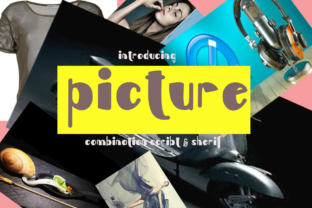
Some fonts feel like they’re smiling at you. Picture is one of them. With its bouncing lowercase baseline and hand-drawn uppercase letters, this display font brings a warmth and casual energy that’s hard to replicate with a standard typeface. It doesn’t try to be perfect, and that’s exactly what makes it so appealing. Whether you’re designing a logo for a local coffee shop, crafting social media graphics for a lifestyle brand, or putting together packaging for a small product launch, Picture delivers personality without screaming for attention.
What Makes Picture Stand Out
At first glance, Picture looks like something you might letter yourself with a fine brush pen on a lazy Sunday afternoon. The lowercase letters dance along a bouncing baseline, giving words a rhythmic, almost musical feel. The uppercase letters, on the other hand, carry a more deliberate hand-lettered look, with slight irregularities that make them feel authentic rather than mechanical. This contrast between the playful lowercase and the more grounded uppercase gives the font a layered personality. It can be whimsical, but it can also hold its own in a headline or a product label.
The font sits firmly in the handwritten font category, but it avoids the overly messy or illegible traps that many casual scripts fall into. Each character is clear enough to read quickly, which matters when you’re using it for signage, posters, or any project where people need to absorb information in seconds. The weight is consistent, the strokes feel natural, and the overall impression is one of approachable creativity.
Where Picture Works Best Across Projects
If you’re a designer or a small business owner looking for a creative font that doesn’t feel corporate, Picture gives you room to experiment. Here are some of the most effective places to use it.
Logo Design and Brand Identity
Picture shines in logo design, especially for brands that want to communicate friendliness, craftsmanship, or a handmade ethos. Imagine a bakery logo where the name sits in Picture’s lowercase bounce, paired with a clean sans serif font for the tagline. Or think about a children’s clothing brand where the logo needs to feel playful but still professional. The hand-lettered quality of the uppercase letters adds a bespoke touch that makes a brand identity feel less mass-produced and more personal. For entrepreneurs creating their own brand identity from scratch, Picture can be the anchor typeface that sets the tone for everything from business cards to product tags.
Packaging Design and Product Labels
Packaging is where Picture really comes alive. On a jar of honey, a box of artisanal chocolates, or a bottle of small-batch hot sauce, the bouncing baseline creates movement that draws the eye. Shoppers browsing shelves often make split-second decisions, and a font with this much character can stop them long enough to pick up the product. Pair it with a neutral serif font for ingredient lists or description text, and you get a package that feels curated rather than chaotic. If you’re launching a product and want the packaging to reflect a handmade, artisanal quality, Picture is a strong choice.
Social Media Graphics and Web Design
Social media feeds are crowded, and standing out often comes down to typography. Picture works well for quote graphics, promotional announcements, and story highlights where you need text to feel engaging without being hard to read. The bounce in the lowercase letters gives posts a casual, relatable energy that resonates with audiences looking for authenticity. On websites, Picture is best used as a display font for headings, call-to-action banners, or hero sections. Because it’s a handwritten font with strong personality, it’s wise to limit it to short blocks of text and let a more neutral sans serif or serif font handle the body copy. This creates visual hierarchy while keeping readability high.
Editorial Design and Print Collateral
Magazines, zines, brochures, and flyers benefit from a font that breaks the monotony of standard typography. Picture works beautifully for pull quotes, chapter openers, or section headers in editorial design. It adds a human touch to printed pages, making the content feel less like a corporate brochure and more like a conversation. For crafters and hobbyists creating invitations, greeting cards, or scrapbook layouts, the hand-lettered aesthetic blends naturally with other design assets like illustrations, textures, and watercolor elements. It’s the kind of font that makes handmade projects look intentional and polished rather than thrown together.
How Picture Affects Readability, Brand Perception, and Audience Engagement
Typography is never just about looking good. Every typeface you choose sends a signal to your audience about who you are and what you value. Picture signals approachability, creativity, and a willingness to be a little different. When people see a brand using a font with a bouncing baseline and hand-lettered uppercase, they subconsciously associate it with small-batch thinking, attention to detail, and a human-centered approach. That perception can be a powerful differentiator in markets where most competitors are using stock templates and generic fonts.
Readability wise, Picture works best at medium to large sizes. The lowercase bounce can make long paragraphs feel uneven, so reserve it for headlines, subheadings, short phrases, and logos. When used intentionally, the bouncy baseline creates a natural rhythm that guides the reader’s eye across the text, especially in logos or banner designs where every word matters. This rhythmic quality can improve engagement by making the text feel more dynamic and less rigid. People linger longer on words that feel like they were written by a person, not a machine.
Practical Guidance for Choosing and Using Picture
Before you download Picture and start using it everywhere, take a moment to evaluate whether it fits your specific project. Here’s a practical checklist based on my experience working with display fonts and brand identity systems.
Evaluate Project Fit
Picture thrives in projects where personality is a priority. If you’re designing something that needs to feel formal, serious, or highly technical, this probably isn’t the right font. But if your project involves lifestyle brands, creative services, children’s content, food and beverage products, or any kind of artisan business, Picture will feel like a natural fit. Ask yourself: does the brand need to feel friendly first? If the answer is yes, Picture is worth testing.
Test Font Pairings
Like many handwritten fonts, Picture works best when it has a partner. Pair it with a clean sans serif font like Open Sans, Lato, or Montserrat for a modern, balanced look. If you want something more traditional, try a serif font like Playfair Display or Merriweather for the body text. The contrast between Picture’s casual hand-lettered vibe and a polished serif or sans serif creates visual tension that feels sophisticated without being stiff. Avoid pairing it with another script or handwritten font, as that can quickly look cluttered and competing.
Review Included Styles and Weights
Before committing, check what’s included in the font package. Picture may come with multiple weights, alternate characters, or ligatures that give you more flexibility. Using stylistic alternates can help you avoid repeating the exact same letter shapes, which is especially useful in logo design or short headlines where every character is visible. If you’re working on a brand identity, having access to alternate glyphs lets you fine-tune the typography so it feels custom rather than off-the-shelf.
Consider Readability in Context
Always test Picture in the actual environment where it will be seen. A logo that looks great on a laptop screen might lose legibility on a mobile phone or a small product label. Print it out at different sizes, view it on different devices, and ask someone who hasn’t seen the design before to read it back to you. If they hesitate, consider enlarging the font or pairing it with a more legible secondary typeface for critical information.
Check Commercial Licensing
If you’re using Picture for business purposes, commercial licensing is non-negotiable. Many premium font foundries offer clear licensing tiers for personal use, commercial use, and extended use across multiple projects or products. Read the license carefully, especially if you plan to use the font in logo design, packaging, or merchandise. A one-time commercial license usually covers most small business needs, but if you’re a designer creating logos for multiple clients, look for a license that allows multi-user access. Respecting font licensing protects both you and the foundry, and it ensures you can use the font confidently without legal headaches down the road.
Realistic Examples of Picture in Action
Let me give you a few concrete scenarios so you can picture how this font behaves in real projects.
Scenario one: a small soap company wants to refresh its packaging. The owner wants the label to feel natural, organic, and slightly rustic. Using Picture for the product name, paired with a lightweight sans serif for the ingredient list and scent description, creates a label that looks like it was hand-stamped rather than mass-printed. The bouncing lowercase gives each soap name a gentle rhythm, and the hand-lettered uppercase anchors the brand identity.
Scenario two: a lifestyle blogger is redesigning her website. She wants the header to feel like an extension of her personal voice, warm and inviting. She uses Picture for the site title and main navigation headings, then switches to a clean serif font for the blog post body text. The contrast reinforces her brand identity as approachable yet credible, and readers immediately get a sense of her style before they even read a word.
Scenario three: a craft brewery launches a seasonal ale. The label features a playful name like “Sunshine Sip” set in Picture, with a subtle illustration of citrus slices. The font’s casual energy matches the beer’s light, refreshing profile, and the bounce in the letters suggests the kind of easygoing vibe the brewery wants to be known for. On the shelf next to more traditional beer labels, the font helps the product stand out without trying too hard.
Final Thoughts on Adding Picture to Your Design Toolkit
Picture is one of those fonts that earns its place in your collection because it solves a specific problem: how to make text feel human without sacrificing clarity. It’s not a font you’ll use for every project, but when you need warmth, personality, and a touch of hand-lettered craftsmanship, it delivers. Whether you’re a designer building brand identities, a small business owner creating your first logo, or a crafter making invitations that feel special, Picture gives you a reliable way to add character to your work. Test it with your next project, pair it thoughtfully, and let the bouncing baseline do the heavy lifting.