1873 Winchester: The Font That Bridges Two Worlds
What Exactly Is the 1873 Winchester Font?
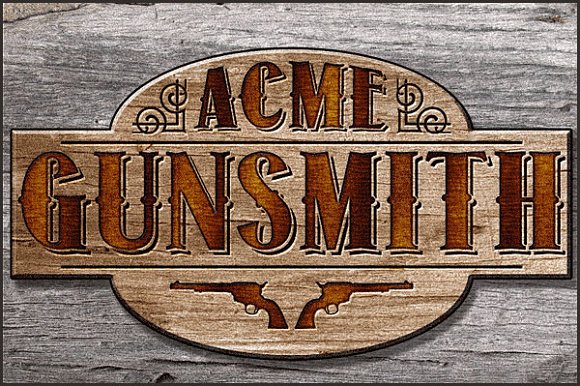
At first glance, the name might conjure images of lever-action rifles and dusty cattle towns, but in the world of typography, 1873 Winchester refers to a distinct old time font that carries the visual weight of the American frontier. It is a typeface designed to evoke the lettering styles found on wanted posters, saloon signs, and product labels from the late 1800s. Its letterforms are rugged, often irregular, and intentionally imperfect, giving them a hand-painted or woodblock-printed feel that modern digital fonts rarely achieve.
What makes 1873 Winchester fascinating is not just its historical roots, but its incredible range. This is a font that can lend authenticity to a gritty outlaw poster one moment and then, with the right treatment, add a touch of vintage class to a jar of premium beard balm or mustache wax the next. It is that rare typeface that feels equally at home on a weathered barn door and a carefully curated Etsy product page.
For anyone working in design, branding, or creative storytelling, 1873 Winchester offers a shortcut to a specific emotional landscape. It speaks of craftsmanship, durability, and a time when things were made to last. Whether you are a small business owner trying to capture that heritage vibe or a hobbyist building a Wild West-inspired game, this font provides an instant visual anchor.
Why This Old Time Font Appeals to Such Different Audiences
The beauty of 1873 Winchester lies in its duality. It is simultaneously refined and rough, elegant and gritty. This makes it a surprisingly versatile tool for people with very different goals.
For the Premium Brand Builder
Imagine you are launching a line of high-end mustache wax. You want your packaging to feel masculine, traditional, and carefully crafted. A sleek, modern sans-serif font might feel too cold or generic. An ornate script could feel too delicate. But 1873 Winchester strikes a perfect balance. Its bold, confident serifs and slightly worn edges suggest a product made with old-world care. It tells the customer that this is not mass-produced plastic stuff, but a craft product rooted in tradition. When paired with a clean label and subtle gold foil, the font elevates the product without losing its down-to-earth charm.
I have seen small-batch soap makers, leatherworkers, and even a craft coffee roaster use 1873 Winchester to great effect. The font communicates authenticity before the customer even reads the ingredients list. It answers the unspoken question: Can I trust this brand? For premium goods, that trust is half the sale.
For the Gritty Storyteller
On the flip side, 1873 Winchester is the go-to choice for anyone creating content with a darker, rougher edge. If you are designing a wanted poster for a Halloween event, a promotional flyer for a Western-themed bar, or even the title card for a gritty indie film, this font delivers the necessary punch. It does not try to be polite. The irregular strokes and vintage imperfections make it feel dangerous and real, like it was printed on an old press by someone in a hurry.
Game designers, dungeon masters running Wild West campaigns, and historical reenactment groups also rely on 1873 Winchester for props and signage. A wanted poster with this font instantly transports the viewer to the late 1800s. It solves the problem of looking too clean or artificial, which is a common struggle when recreating historical aesthetics with modern tools. This font adds grime and personality without requiring any extra design work.
Practical Ways to Use 1873 Winchester in Your Projects
Whether you are a beginner or a seasoned professional, understanding where and how to apply 1873 Winchester will help you get the most out of it. Here are some realistic use cases that show its flexibility.
Product Labels and Packaging
If you sell physical goods, especially in the grooming, food, or home goods space, 1873 Winchester can give your packaging a distinctive look. Use it for the product name or a key ingredient label. Pair it with a simple, readable secondary font for the fine print. This combination respects the font's strong personality while keeping the overall design functional. Small adjustments to color and material can push it toward the premium side or keep it rugged.
Digital and Print Marketing Materials
For posters, flyers, and social media graphics, 1873 Winchester works well as a headline font. It draws the eye and sets the tone. A local brewery using it for a limited-edition stout poster will immediately communicate that this is a special, traditional brew. A vintage clothing shop might use it for sale signs. In digital form, it also performs well on merchandise like T-shirts, stickers, and mugs. Just be careful not to overuse it, as its distinct look can become overwhelming if applied to every line of text.
Storytelling and Educational Content
Teachers, bloggers, and content creators covering American history, the Wild West, or early industrial design will find 1873 Winchester invaluable for headings and pull quotes. It adds a layer of visual interest that supports the subject matter. A history video series using this font for chapter titles creates a cohesive and immersive experience. Similarly, a podcast about frontier legends could use it for episode artwork. It bridges the gap between educational content and entertainment, making the topic feel more alive.
What to Consider Before Using This Font
Like any powerful tool, 1873 Winchester requires thoughtful handling. Here are a few important things to keep in mind before you commit to it.
Readability matters. This font is not designed for long blocks of body text. Its irregular shapes and vintage quirks make it difficult to read in paragraphs. Reserve it for headlines, short phrases, and emphasis. Pair it with a clean, neutral font for anything longer than a sentence. Your audience's eyes will thank you.
Context is everything. Because the font carries such strong historical associations, it can feel out of place in modern or minimalist contexts. If your brand or project is built around sleek technology or contemporary aesthetics, 1873 Winchester might clash. Always test it in situ and ask yourself whether it supports your overall message or distracts from it. The best uses feel intentional, not accidental.
Licensing and quality vary. Not all versions of 1873 Winchester are created equal. Some free versions may lack proper kerning, certain character sets, or multiple weights. If you plan to use it commercially, invest in a high-quality licensed version from a reputable foundry. This ensures you have the full range of characters and professional-grade spacing, which makes a significant difference in the final result. A poorly made font file can ruin an otherwise solid design.
Don't force authenticity. Throwing an old time font onto a modern design does not automatically make it vintage. The overall layout, color palette, and imagery need to work together. A true cohesive look considers paper texture, border styles, and even subtle distressing effects. Take the time to build a complete visual environment, and 1873 Winchester will reward you with genuine atmosphere.
Getting Started with 1873 Winchester
If you are new to working with vintage typography, 1873 Winchester is a great place to start. Its strong personality teaches you important lessons about contrast, context, and audience expectations. Try downloading a trial version and experimenting with a few simple projects. Design a label for a fictional product, a poster for an event, or a social media graphic. See how it behaves at different sizes and in combination with other elements.
You will quickly notice how the font changes meaning based on what surrounds it. On a dark, textured background, it looks dangerous and old. On a clean, light background with refined accents, it looks premium and nostalgic. That flexibility is rare, and it is why the 1873 Winchester remains a favorite among designers, entrepreneurs, and storytellers alike. It does not try to be everything to everyone, but it gives those who understand its voice a powerful way to be heard.
Whether you are bottling small-batch mustache wax or printing wanted posters for a local theater production, 1873 Winchester offers a visual shortcut to a time when letters were carved, printed, and meant to last. Use it with intention, respect its limitations, and it will serve you well across projects both gritty and refined.