Millennium: The Gothic-Inspired Font That Bridges History and Modern Design
Typography is more than letters on a screen. It shapes how we feel, how we remember, and how we trust what we read. Few typefaces carry the weight of history, emotion, and craftsmanship like Millennium. If you have ever searched for a font that evokes cathedral spires, medieval manuscripts, or the quiet authority of handcrafted stone, you have likely encountered this gothic-inspired typeface. But Millennium is not a mere relic. It is a tool for creators, business owners, and professionals who want to say something meaningful without shouting. In this article, we explore what makes Millennium distinct, where it shines, and how you can decide if it is the right font for your next project.
What Is Millennium? A Typeface Born from Gothic Roots
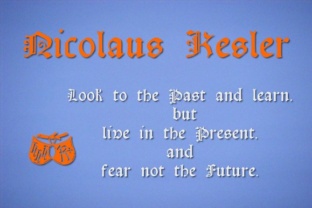
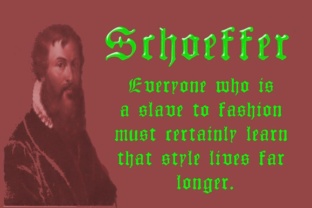
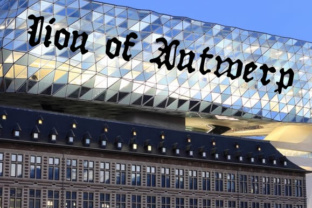
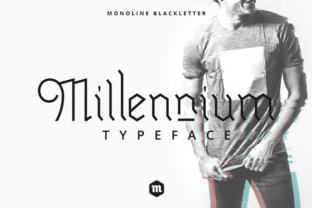
Millennium draws its DNA from the blackletter and gothic typographic traditions that flourished in Europe from the twelfth century onward. Think of the ornate letters in illuminated manuscripts, the bold headings in early printed Bibles, or the signage on old pubs and breweries. Yet Millennium is not a direct copy of any historical face. It is a reinterpretation—a modern take that retains the angular strokes, dense vertical forms, and decorative capitals of its ancestors while smoothing away inconsistencies that would hinder digital readability.
What sets Millennium apart from other gothic-inspired fonts is its deliberate restraint. Where some blackletter faces lean into extreme ornamentation, Millennium balances flair with function. The ascenders are tall but not exaggerated. The serifs are sharp yet clean. The overall impression is one of solemn elegance—a font that feels ceremonial without being unapproachable.
Key Characteristics of the Millennium Font
- Angular, vertical strokes: The letters stand upright with strong, straight lines that create a rhythmic, architectural feel.
- Decorative capitals: Initial letters often feature flourishes, making them ideal for drop caps or headings.
- Compact letter spacing: Words sit tightly together, lending a dense, substantial appearance on the page.
- Limited x-height variation: Unlike many modern sans-serifs, Millennium keeps a low x-height, adding to its historic character.
- Sharp serifs and terminal shapes: Each stroke ends with a deliberate cut, giving the typeface a chiseled quality.
These traits make Millennium instantly recognizable. You will not mistake it for a generic serif or a casual script. It commands attention, which is exactly what many designers and business owners want—but it also demands careful use.
Where Millennium Excels: Real-World Applications and Scenarios
One of the most common questions I hear from clients and colleagues is, “When should I actually use a gothic-inspired font?” The answer, with Millennium, is more nuanced than you might expect. This typeface is not for body text in a long article or a corporate memo. It is for moments that need weight, history, or a touch of the sacred.
Branding and Identity for Heritage Businesses
Imagine a craft brewery that specializes in traditional ale, a whiskey distillery with a century-old recipe, or a law firm that wants to project stability and tradition. Millennium can anchor a logo, business card, or website header with an air of authenticity. When a brand wants to say, “We have been doing this the right way for a long time,” Millennium carries that message in every letter.
One distillery owner I worked with chose Millennium for their label redesign. They wanted to move away from generic serif fonts and towards something that felt “handcrafted.” The result? Customers frequently commented that the bottle looked like it belonged in a museum. The font did not just decorate the label—it told a story.
Event Invitations and Ceremonial Print
Weddings, galas, academic ceremonies, and religious events often call for typography that conveys reverence. Millennium works beautifully on invitations, programs, and place cards. Its decorative capitals can be used as illuminated initials, and the overall texture of the type adds a tactile sense of occasion. For a formal event, a digital invitation set in Millennium feels far more intentional than one set in a standard sans-serif.
Book Covers and Editorial Design
Publishers of historical fiction, fantasy, gothic literature, or religious texts frequently turn to Millennium for cover titles and chapter headings. The font evokes a specific time and mood without requiring illustration. A novel set in medieval Europe, for example, benefits immediately from the visual cue that Millennium provides. Even non-fiction—such as books on heraldry, calligraphy, or architecture—gains authority from this typeface.
Signage and Environmental Graphics
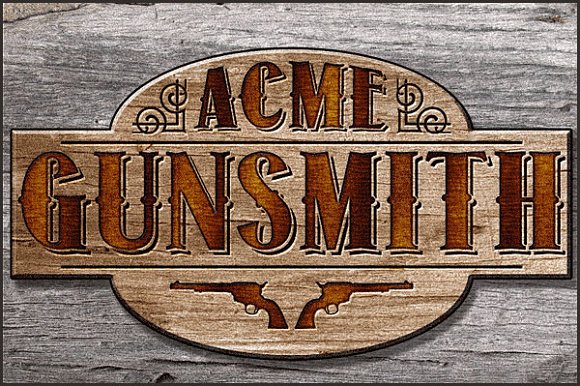
Because Millennium has strong, clear shapes, it can be effective in physical signage—especially when cut into wood, etched into glass, or embossed on metal. A church, a museum, a historic inn, or a restaurant with a rustic theme can use Millennium for exterior signs or interior wayfinding. The sharp angles catch light in interesting ways, and the historic associations make the space feel grounded.
Strengths and Practical Considerations When Using Millennium
Every typeface comes with trade-offs. Millennium is no exception. Understanding these will help you avoid common pitfalls and use the font to its full potential.
Strengths That Set Millennium Apart
- Strong personality: Millennium makes a statement. In a world of neutral fonts, it stands out immediately.
- Historical resonance: It carries cultural and emotional weight that modern fonts often lack.
- Versatility within its niche: While not a general-purpose font, Millennium works across print, digital, and environmental media when applied correctly.
- Legibility at display sizes: At large sizes, the details in Millennium are crisp and readable, making it ideal for headlines and titles.
Limitations and When to Look Elsewhere
- Not for long body text: The dense, angular forms make extended reading uncomfortable. Use Millennium for headings, not paragraphs.
- Limited language support: Some gothic-inspired fonts have fewer accented characters. Check the character set before committing.
- Potential for overuse: Because it is so distinctive, Millennium can overwhelm a design if used too broadly. Pair it with a clean, neutral font for balance.
- Digital reading fatigue: On screens, especially mobile, the dense strokes can blur or feel heavy. Reserve it for larger sizes and high-resolution displays.
I once saw a website that used Millennium for every single element—nav menu, body text, buttons, and footer. The result was chaotic. The font’s strength became its weakness. The lesson: Millennium is a spice, not the main course.
Who Benefits Most from Millennium?
The audience for Millennium is broader than you might think. It includes:
- Graphic designers and art directors looking for a typeface with emotional depth and historical authenticity.
- Business owners in heritage, craft, or ceremonial industries who need branding that feels enduring.
- Event planners and wedding professionals creating print materials with a formal or vintage tone.
- Authors and publishers of books set in historical or fantastical worlds.
- Museum curators and cultural institutions designing exhibitions or signage that respects tradition.
- Calligraphers and lettering artists who use Millennium as a reference or base for custom work.
If you fall into any of these groups, Millennium deserves a place in your type library. But even if you do not, understanding its strengths can inform your broader typographic choices.
How to Evaluate Whether Millennium Is Right for Your Project
Before you download or license Millennium, ask yourself a few practical questions:
- What is the emotional tone of this project? Millennium conveys tradition, solemnity, and craftsmanship. If your brand is playful, modern, or minimal, look elsewhere.
- Where will the text appear? If it is primarily on screens at small sizes, test Millennium thoroughly. It often works better in print than on low-resolution displays.
- Can I pair it with a complementary font? A clean sans-serif like Helvetica, Open Sans, or Lato can balance the density of Millennium. Plan your typographic hierarchy early.
- Does the font include the characters I need? Check for ligatures, numerals, punctuation, and accented letters if you work in multiple languages.
One practical test I recommend: set a short headline in Millennium at the size you intend to use, then print it or view it on your target medium. Does it still feel right after a few hours? Does it attract the right kind of attention? Trust your eyes—and your audience’s comfort.
Real-World Scenarios: Millennium in Action
Let me share two contrasting examples that illustrate the range of Millennium.
Scenario One: A Craft Distillery’s Rebrand
A small-batch gin distillery in the Scottish Highlands wanted to update its packaging. The original labels used a generic serif font that looked no different from supermarket brands. The owner wanted something that hinted at the region’s monastic history of distillation. We selected Millennium for the product name and a clean sans-serif for the botanical details. The result was a label that felt both ancient and contemporary. Sales increased, and the distillery received industry recognition for design. The font did not do the work alone, but it set the emotional foundation.
Scenario Two: A Modern Wedding Invitation Suite
A couple planning a cathedral wedding wanted invitations that matched the venue’s gothic architecture. They were initially drawn to ornate calligraphy fonts, but those proved hard to read and expensive to print. Millennium provided the gothic feel without the legibility problems of script. The invitation used Millennium for the couple’s names and a light serif for the details. Guests commented that the invitation felt “like a keepsake.” The wedding party printed matching programs and place cards, all using Millennium at display sizes. The consistency across materials strengthened the event’s visual identity.
Final Thoughts on Using Millennium
Millennium is not a font for every occasion. It will not replace your go-to body text or your minimalist logo. But when you need typography that carries history, authority, and a touch of the sacred, Millennium offers a rare combination of beauty and practicality. It works best when used with intention—paired with simpler fonts, reserved for moments that deserve emphasis, and tested in the medium where it will live.
Whether you are a designer building a brand from scratch, a business owner refreshing your packaging, or a creator looking for the perfect title font, Millennium deserves serious consideration. Let it do what it does best: stand out, speak quietly, and last.
If you are curious, I encourage you to download a trial version or test it in your design software. Set a word that matters to you—your brand name, a book title, an event date—and see how Millennium transforms it. That moment of seeing the letters come together is often the best test of all.